
February 25, 2026
6 min read
By Maryline Bossar
How to Choose a Yacht Broker You Can Trust
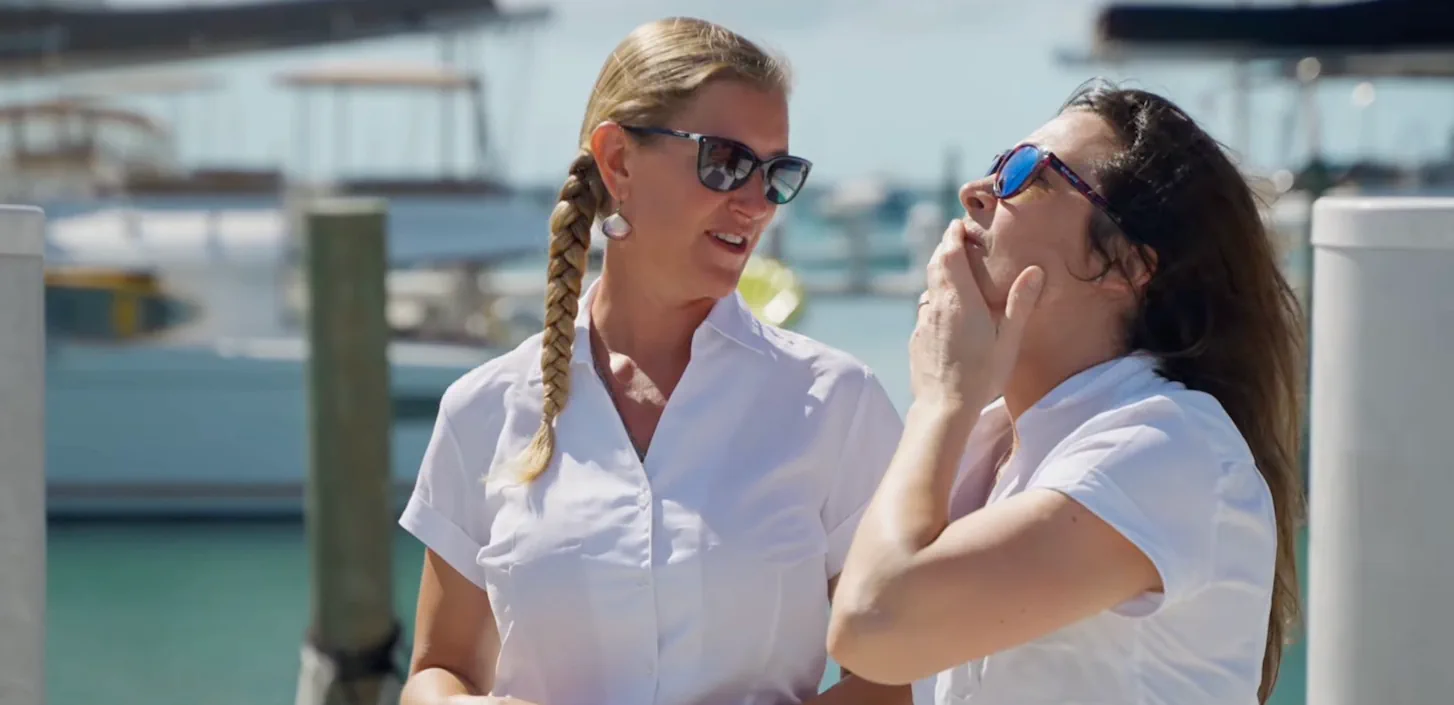
Whether you're purchasing your first cruiser or listing a motor yacht you've outgrown, one decision quietly shapes everything else: who you hire to represent you.
A skilled broker brings market knowledge, professional networks, and a fiduciary mindset to the table. The wrong one? They can cost you time, money, and more than a few sleepless nights. Before you sign anything or shake anyone's hand, here's what the vetting process should actually look like.
Start With Credentials
Licensing requirements for yacht brokers vary wildly by state. Florida is one of the few states that mandates a background check, fingerprinting, a surety bond, and a two-year mentorship under a licensed broker before someone can operate independently. That's meaningful accountability. And with a large share of the market in Florida, it's common for yacht brokers located anywhere in the country to seek licensure from the State of Florida.
If you're working with a broker outside of Florida who is not licensed, the extra due diligence is not optional! The absence of regulatory requirements doesn't mean the broker is unqualified, but it does mean you have to be extra vigilant when doing the work of vetting the yacht broker you are considering hiring.
Go Beyond the Testimonials on Their Website
It's easy for any broker to post glowing blurbs on their own site. What tells you more is what you find when you go looking on your own: Google reviews, marina word-of-mouth, and references from marine vendors who work alongside brokers regularly.
One underrated tactic: do a little secret shopping. Send an email inquiry or leave a voicemail and see how long it takes to hear back. The response time you'll experience ahead of the sales process will speak volume about what you can expect during the transaction process. You've been warned.
When you've narrowed your list down, ask directly for client references. A confident broker won't hesitate. If the information doesn't get to you right away, you may have to start looking elsewhere.
Marketing Matters More Than You Think (Especially If You're Selling)
Posting a listing on YachtWorld with a handful of average photos is not a marketing strategy. In today's market, serious buyers expect professional photography, video walkthroughs, targeted digital advertising, and active social media presence across platforms like Facebook, YouTube, and LinkedIn. Review the broker's digital presence, and how they portray their listings carefully and you will get a good sense of how serious they are.
Are the listing photos sharp? How many are there?
Are there custom videos?
Are the descriptions detailed and well-written, the equipment list exhaustive and the specs information filled in?
Review their online presence: Is their website active? When was their last blog post? Do they appear regularly on social?
If you can't find a recent video of the broker presenting a boat walkthrough, that's a concern you cannot ignore. The best brokers in today's market understand that video isn't a bonus feature. It's a core part of how listings get seen and sold.
This matters for buyers too. A digitally connected broker has broader market access, moves quickly when the right boat appears, and uses data to help you craft a competitive offer.
The Right Broker Educates
There's a meaningful difference between a broker who is strictly driven by deals and a broker who guides clients. The best brokers do both.
For boat buyers, that means sharing strategies to review listings with a sharp eye, walking you through the pre-purchase survey and sea trial process, explaining what to watch for, flagging common pitfalls, and helping you think through financing, insurance, and documentation. Not just pointing you to listings.
For yacht sellers, it means explaining the listing agreement in plain terms, sharing comparable sales data, discussing pricing strategy openly (including co-brokerage), and providing regular reporting on listing performance: impressions, leads, click-through rates, and showing feedback.
Ask a broker candidate to show you a sample seller analytics report. A serious professional will have one ready.
Red Flags Worth Walking Away From
A few warning signs that should stop you cold:
Pressure to decide quickly. Legitimate urgency exists: good boats do move fast. But there's a difference between honest market reality and manufactured scarcity designed to short-circuit your judgment.
Evasiveness about credentials or compensation. A professional has nothing to hide. If questions about experience, licensing, or how they're paid make a broker defensive, pay attention to that reaction.
Poor communication during the vetting process. If they're hard to reach while they're trying to win your business, they'll be harder to reach once you've signed. You should not have to compromise on your broker's reactivity and customer care.
The Bottom Line
The vetting process itself is your best tool. A strong broker will welcome tough questions because they know their track record speaks for itself. A weak one will make you feel like you're being unreasonable for asking.
You're interviewing them. Hold that frame and you'll be in great hands. At Current Yachts, we're happy to answer your questions whether you're working with us or not, so please reach out anytime.
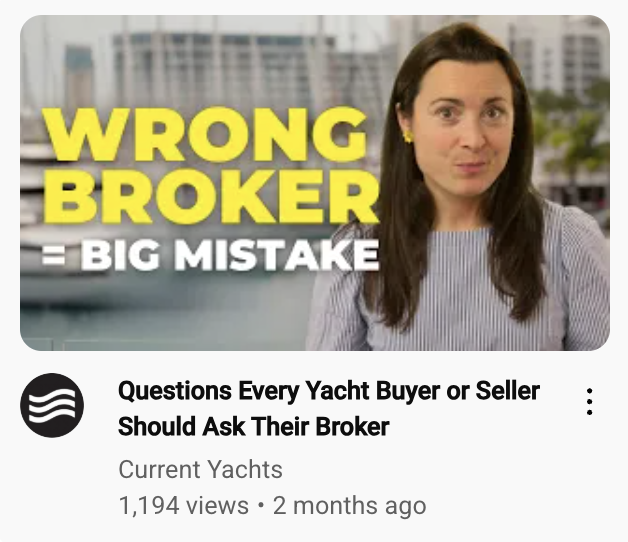
Want to go deeper? Watch our full video guide on vetting a yacht broker:
Other Related Posts
The One Piece of Your Marketing We Can't Do For You
Selling your boat takes more than a strong listing on YachtWorld or Boat Trader, it also means reaching brand specific Facebook owner groups where broker posts rarely get approved but owner posts do.
What a Boat Slip Really Costs in 2026 (And Why You Should Find One Before You Buy the Boat)
Some of the most transparent brokers in the country are now telling clients the same thing, and it sounds backwards: don't buy the boat until you know where you're going to keep it.

Understanding Recreational Boat Certifications: ABYC, NMMA, and CE Standards
ABYC, NMMA, and CE certifications all serve different purposes in the boating industry. This article breaks down what each certification means, how they relate to vessel safety and compliance, and what manufacturers and boat owners should know when evaluating boats for different markets.