

October 14, 2026
10 min read
By Emma Lydén
Boat Financing Choices: Your Complete Guide to Marine Lenders
When you've found your next yacht, securing the right financing can make or break the deal. With dozens of marine financing options available, yacht buyers often find themselves navigating a complex landscape of lenders, brokers, and varying terms. At Current Yachts, our commitment to transparency means helping you understand exactly who you're working with and what options truly serve your best interests.
The marine financing world has evolved significantly, but one critical distinction remains poorly understood by many buyers: the fundamental difference between working with a direct lender versus a financing broker. This choice can impact everything from your interest rate to your closing timeline, and understanding it could save you thousands of dollars.
Lenders vs. Brokers: A Critical Distinction
Direct marine lenders are licensed financial institutions that underwrite and fund yacht loans using their own capital. These include banks, credit unions, and specialized marine finance companies. They're subject to federal regulations, required to provide transparent pricing disclosures, and maintain direct relationships with borrowers. When you work with a direct lender, you're getting their actual rates and terms.
Financing brokers, or lending brokers, however, operate in a largely unregulated space. Here's what many yacht buyers don't realize: marine financing brokers have no licensing requirements and face minimal regulatory oversight. They act as intermediaries between you and actual lenders, often adding markup to interest rates without clear disclosure. While some brokers provide value through market knowledge, others simply profit by making your loan more expensive.
This lack of regulation means brokers can quote rates, add fees, and structure deals without the same transparency requirements that govern direct lenders. At Current Yachts, we've seen buyers unknowingly pay percentage points above market rates because they worked with brokers who weren't transparent about their markup.

The Major Players in Marine Lending
Understanding who the established marine lenders are helps you evaluate whether you're working with a reputable direct source or a broker representing these institutions.
US Bank Marine Finance has built a strong reputation for competitive rates and efficient processing. Their marine lending division understands yacht transactions and typically offers some of the most attractive terms for qualified buyers.
Axos Bank (under their division LaVictoire Finance) specializes exclusively in marine financing and offers flexible terms for both new and pre-owned vessels. Their industry focus means faster processing and better understanding of yacht valuations.
Bank of the West provides comprehensive marine financing with competitive rates, though their recent acquisition by BMO has led to some processing changes that buyers should be aware of.
Shore Premier Finance focuses on luxury vessels and offers specialized programs for high-end yacht purchases. They're known for working with complex financial situations and international buyers.
Wells Fargo maintains a marine lending division with competitive rates, though their approval process can be more stringent than specialized marine lenders. They also have focused their efforts on commercial lending, meaning they finance the inventory of dealerships, also called “floor plan”.
Northpoint Commercial Finance specializes in commercial vessels and charter boats, making them ideal for buyers planning to generate income from their yacht.
Bank of Newport offers personalized service with a focus on the Northeast market, though they finance yachts nationwide.
Red Oak Financial provides alternative financing solutions, particularly for older vessels or unique situations that traditional lenders might decline.
Specialized Financing Scenarios
Charter Boat Financing requires lenders who understand commercial marine operations. Northpoint Commercial Finance leads this space, but US Bank and Axos also offer charter financing programs. These loans typically require business plans, revenue projections, and higher down payments, but they allow buyers to generate income that can offset loan payments.
International and Older Vessel Financing presents unique challenges. Most traditional marine lenders restrict financing to vessels under 15-20 years old and flagged in the United States. However, Red Oak Financial and specialized divisions of some larger lenders will consider older vessels with thorough surveys and appropriate valuations.
For yachts based outside the US or flagged internationally, your options narrow considerably. Axos Bank and Shore Premier Finance have experience with international scenarios, but expect additional documentation requirements and potentially higher rates.

Red Flags and What to Watch For
Several warning signs should make yacht buyers pause and reconsider their financing source:
Rate Shopping Without Transparency: If a broker won't clearly explain their fee structure or how much they're adding to the lender's base rate, walk away. Legitimate financing professionals should be transparent about their compensation.
Pressure Tactics: Reputable lenders understand that yacht purchases require time and consideration. High-pressure sales tactics often indicate brokers more focused on their commission than your best interests.
Lack of Marine Experience: General consumer lenders often don't understand yacht values, surveys, or documentation requirements. This inexperience can delay closings or result in declined applications that marine specialists would approve. However some local credit unions have been rather favorable to marine portfolios and be a good source to consider if available to you.
Poor Client References: Any financing source should be able to provide recent customer references. If they can't or won't, consider it a red flag.
Choosing Your Financing Partner
The best marine financing relationship combines competitive rates with industry expertise and transparent communication. Start by getting quotes directly from established marine lenders like US Bank, Axos, and Shore Premier Finance. Compare these baseline rates to any broker quotes you receive.
Consider the total cost of financing, not just the interest rate. Some lenders charge higher origination fees but offer lower rates, while others provide rate discounts for autopay or existing banking relationships.
Processing speed matters in yacht transactions. Experienced marine lenders typically close loans faster because they understand yacht surveys, documentation, and registration requirements that can delay closings with inexperienced lenders.
The Current Yachts Advantage
At Current Yachts, we maintain relationships with reputable direct marine lenders and can connect you with financing sources that match your specific situation. Our yacht brokers understand the financing landscape and can guide you through the entire process from selecting the best financing partner to ensuring the closing of your yacht stays on track.
We believe informed buyers make better decisions, which is why we educate clients about their financing options rather than pushing them toward any particular source. Whether you need financing for a newer vessel, an older classic yacht, or a charter operation, we can guide you to appropriate lenders who specialize in your scenario.
Making Your Decision
Yacht financing isn't just about getting approved – it's about securing terms that support your long-term enjoyment of yacht ownership. The difference between working with a transparent direct lender versus an unregulated broker can mean thousands of dollars over the life of your loan.
Take time to understand who you're working with, compare multiple direct lender options, and don't be afraid to ask detailed questions about fees, rates, and timelines. Your dream yacht deserves financing that's as solid as the vessel itself.
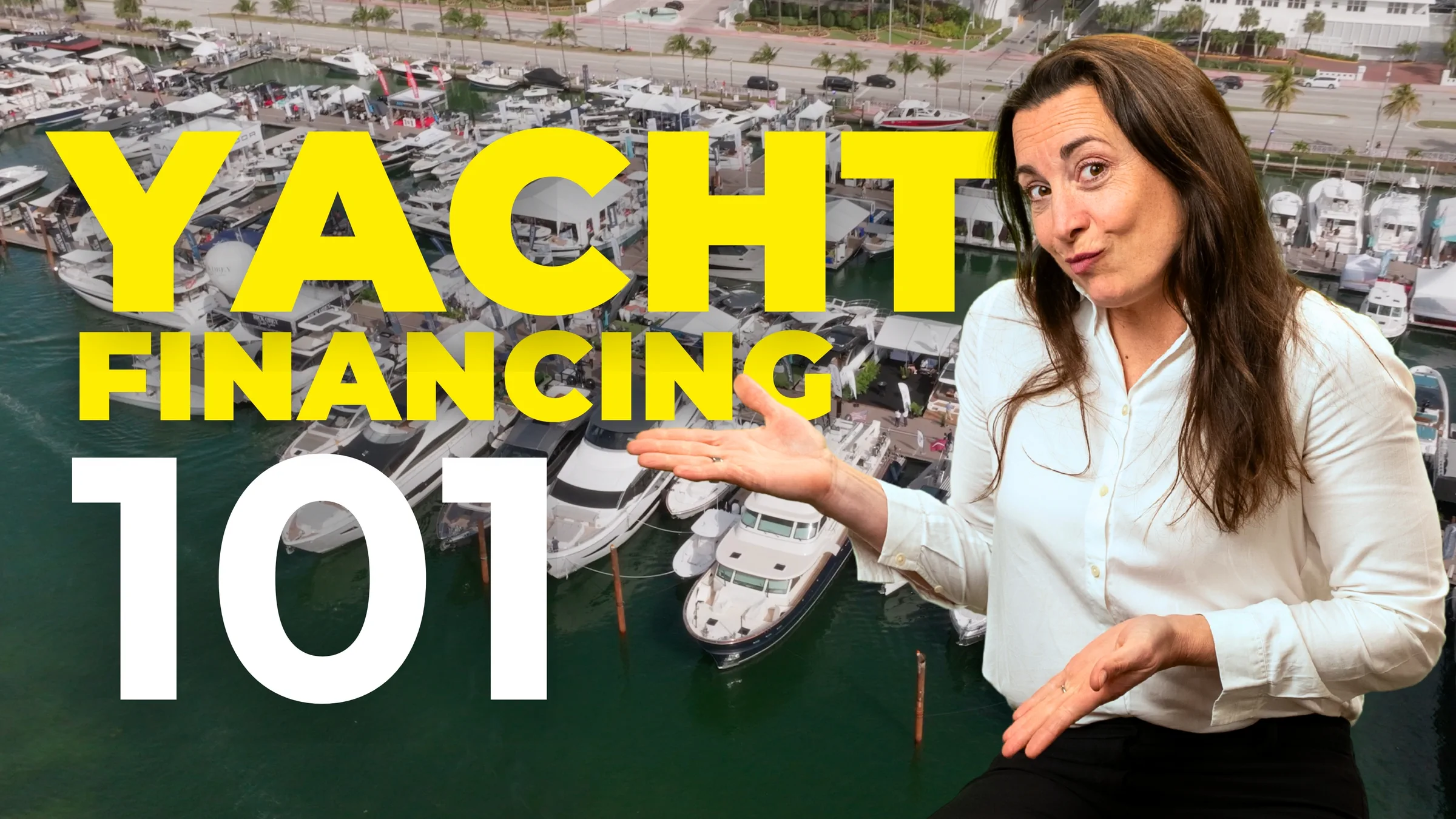
For more information on this topic check out our video: Yacht Financing 101: Everything you need to know, as well as episode 3 of the Full Displacement Podcast.
Ready to explore your yacht financing options? Contact Current Yachts for guidance on connecting with the right marine lenders for your specific needs. We're here to help you navigate both the yacht market and the financing landscape with the transparency and expertise you deserve.
Other Related Posts
The One Piece of Your Marketing We Can't Do For You
Selling your boat takes more than a strong listing on YachtWorld or Boat Trader, it also means reaching brand specific Facebook owner groups where broker posts rarely get approved but owner posts do.
What a Boat Slip Really Costs in 2026 (And Why You Should Find One Before You Buy the Boat)
Some of the most transparent brokers in the country are now telling clients the same thing, and it sounds backwards: don't buy the boat until you know where you're going to keep it.

Understanding Recreational Boat Certifications: ABYC, NMMA, and CE Standards
ABYC, NMMA, and CE certifications all serve different purposes in the boating industry. This article breaks down what each certification means, how they relate to vessel safety and compliance, and what manufacturers and boat owners should know when evaluating boats for different markets.