

Buy a Yacht in Charter
Can You Turn Your Yacht Into a Business?
Buy a Yacht in Charter: Can You Turn Your Yacht Into a Business?
For many aspiring yacht owners, the dream of sailing the open water comes with a practical question: Can this passion also be a business?
Understanding the active yacht ownership requirements and likely tax considerations is essential to making the best decision, both from a lifestyle standpoint and a financial perspective.
In recent years, more Americans have explored the concept of active yacht ownership. It is a strategy that involves placing your yacht into a charter program and potentially leveraging tax advantages available to legitimate business ventures.
While there are real opportunities here, navigating the tax code is complex and the risks are real. This article introduces the basics of turning a yacht into a charter business and highlights key financial and tax considerations to discuss with your CPA or tax advisor.
Disclaimer: This content is for educational purposes only and is not tax, legal, or financial advice. Always consult a licensed professional before making any financial decisions.
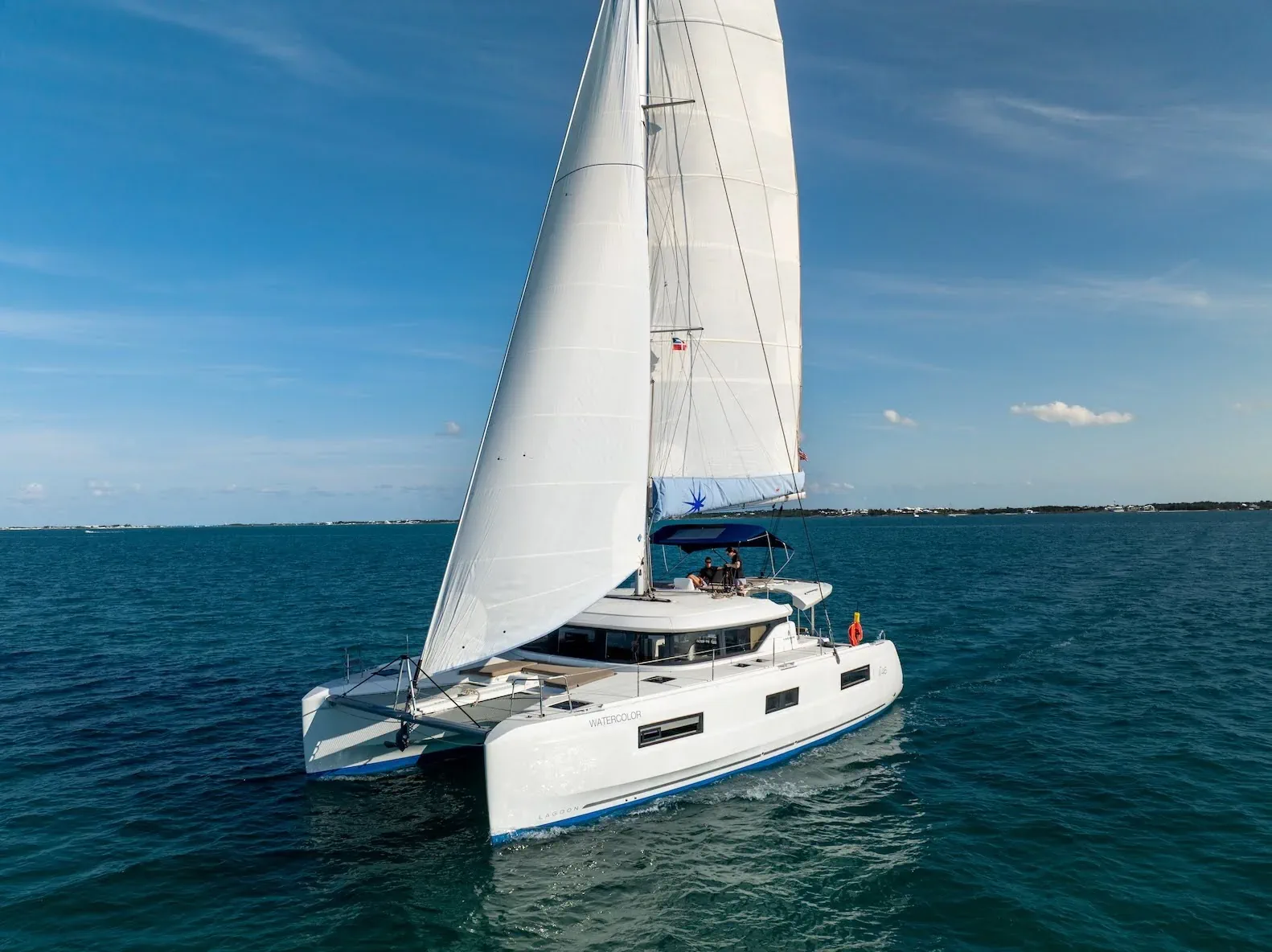
What Is Active Yacht Ownership?
At its core, active yacht ownership is the practice of purchasing a yacht and operating it as a business, usually by placing it into a charter program where others can charter (rent) it. In doing so, you may be able to generate income, reduce ownership costs, and potentially access certain tax deductions typically available to business owners.
Unlike passive rental income (like real estate), this model may qualify as material participation in a business under IRS guidelines, provided you meet specific criteria.
Is It Really a Business? Here's What the IRS Looks For
Before you can claim any tax advantages, the IRS expects you to demonstrate that you're running a for-profit business, not just funding an expensive hobby.
1. Profit Motive
- You must show a clear intent and ability to make a profit.
- A good benchmark: generating profit in 3 out of 5 consecutive years can help support your case.
- Even without that history, you can demonstrate your intent through a detailed business plan, formal marketing efforts, and accurate recordkeeping.
2. Material Participation
To qualify as "active," you (or your spouse) must:
- Work at least 100 hours annually on the business, and
- Do more than any other person involved in its operation
Note: active participation does not exclude a collaboration with a professional fleet operator that may assist with charter turnovers, charter bookings, and yacht maintenance for example. See below for the program types and operators to consider. Qualifying tasks may include:
- Managing bookings or schedules
- Attending boat shows
- Maintaining a business website or social media
- Overseeing maintenance or inspections
- Traveling to promote or inspect your vessel

Entity Structure: Owning Your Yacht Through an LLC or Corporation
While you can own a chartered yacht personally, most owners opt to use a legal entity—such as an LLC, corporation, or partnership—to reduce personal liability and streamline accounting. Entity ownership may also:
- Provide a more formal business framework
- Open the door to additional tax strategies (e.g., depreciation)
- Make your operation more audit-resistant
Always discuss entity setup with a tax advisor before purchasing or placing your yacht into service.
How the IRS Views Chartering: Business or Rental?
Under the IRS rules, rental income is typically considered passive, which limits the deductions you can claim. However, yacht charters can escape this classification if:
- Average charter duration is 7 days or less, OR
- Average use is 30 days or less, and you provide substantial personal services (such as crewed charters, provisioning, or concierge-style management)
When these requirements are met, your yacht activity may qualify as an active trade or business, opening up tax advantages that passive rental property owners can't access.
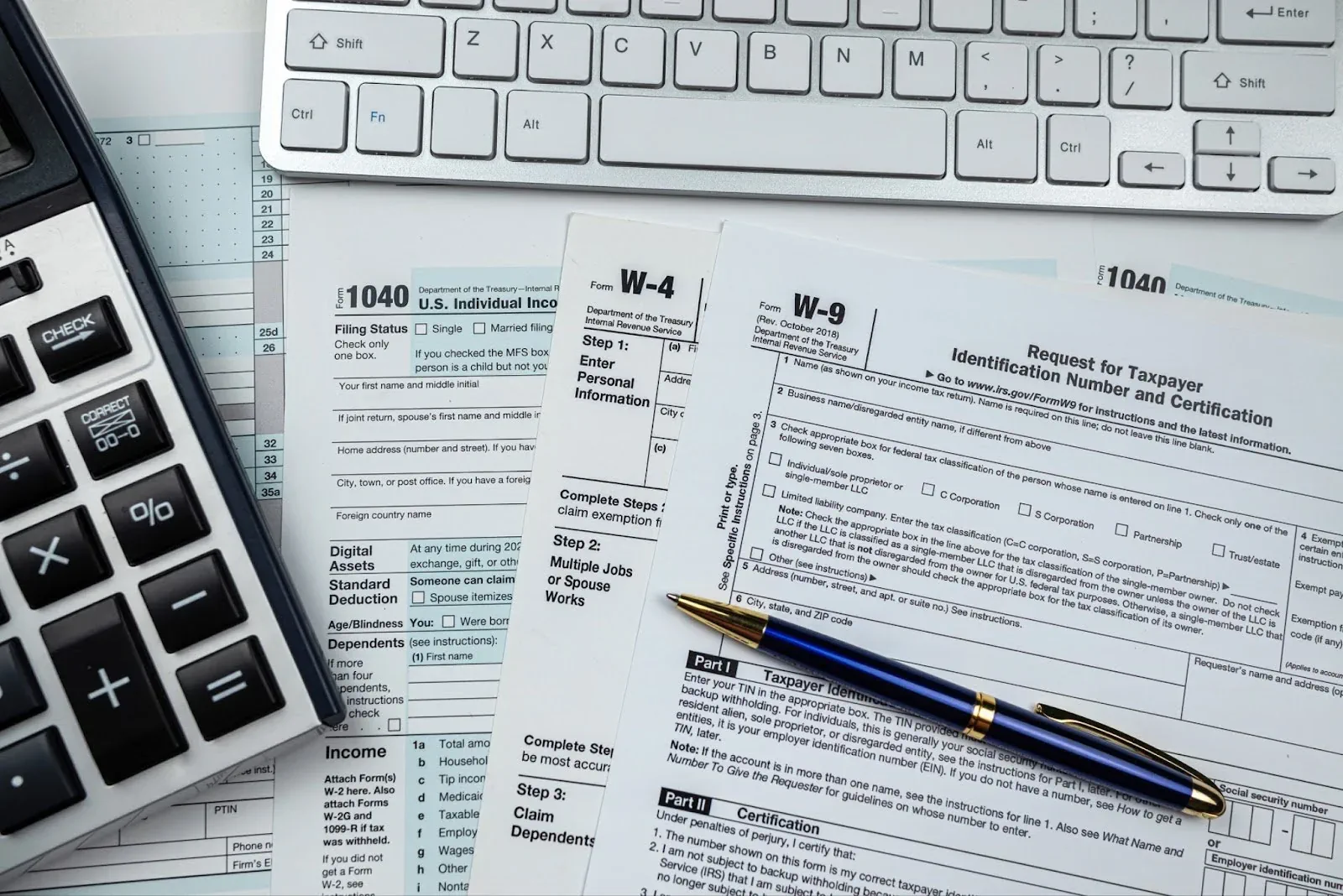
Section 179: Accelerated Deduction for Equipment Including Yachts
One of the biggest financial incentives for small business owners is Section 179 of the IRS tax code, which allows immediate expensing of qualified business property, including yachts:
- According to IRS guidance (Rev. Proc. 2024‑40), the 2025 limit for Section 179 expensing is $1,250,000. If the amount of qualifying property placed in service exceeds $3,130,000, the $1,250,000 limit begins to phase out dollar‑for‑dollar.
- This applies to both new and used yachts, assuming they meet IRS criteria
- You must be actively participating in the business for this to apply
This can significantly reduce your tax liability in the first year of ownership, depending on your total business income and tax situation.
Other Depreciation Options
If you're not eligible for Section 179, you may still benefit from other forms of depreciation:
Bonus Depreciation (Section 168)
- Allows 100% write-off of new equipment in the first year
- May apply to preowned yachts, but only if all the legal requirements for used property under § 168(k) are satisfied. If any of those conditions aren't met (prior use, related-party acquisition, basis carryover, ADS requirement, etc.), the yacht may be disqualified for bonus depreciation.
- Must not be purchased from a related party
Because the rules are complex and depend heavily on the acquisition facts, you should absolutely consult your CPA or tax advisor with full details of the purchase to determine whether bonus depreciation is available in your case.
Standard Depreciation (Section 167)
- Offers cost recovery over several years
- Ideal for those who can't or choose not to use Section 179 or bonus depreciation
Each option comes with specific rules. Your CPA can help model the long-term tax impact of each method.
The At-Risk Rule: Limiting Deductible Losses
Even if your yacht qualifies as a business, your ability to deduct losses may be limited by Section 465 (At-Risk Rules).
- You can only deduct losses up to the amount you have at risk, which typically includes your cash investment and any personal liability for debt
- Losses beyond that amount must be carried forward
This prevents taxpayers from claiming unlimited losses from leveraged investments or those financed without real personal financial risk.
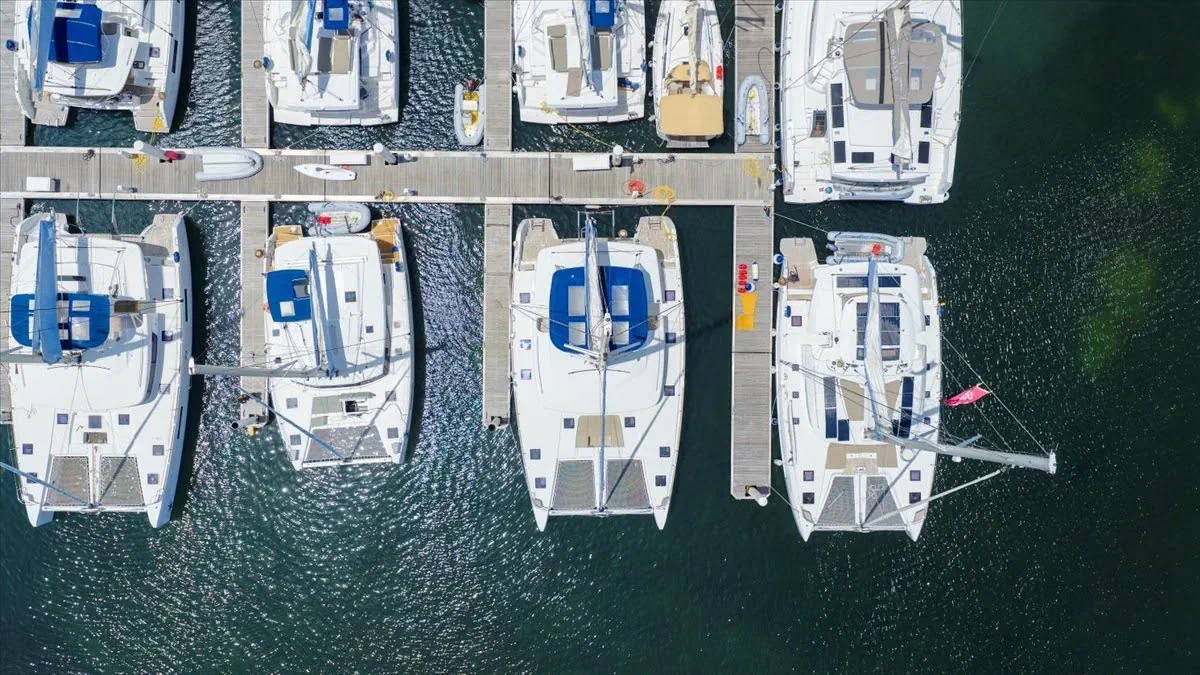
Yacht Charter Operators & Programs
There are companies that offer yacht ownership programs in which you are required to acquire the new vessel through their in-house sales team.
Other companies (that tend to be smaller, think "boutique charter operators") accept preowned vessels into their fleet and will offer a different type of revenue sharing program.
Keep in mind that guaranteed revenue programs may not qualify as an active business due to the nature of the revenue-sharing model. Therefore the tax planning opportunities outlined earlier may not be compatible with such programs.
Alternate Path: Yacht as a Second Home
Not everyone wants to operate a charter business. If your sailing plans are more personal in nature, your yacht could qualify as a second home for tax purposes—if it includes:
- A berth (sleeping quarters)
- A galley (kitchen)
- A toilet (head)
Under second home rules, mortgage interest may be deductible—but only if you meet minimum personal use requirements:
- Use the yacht for personal purposes at least 14 days per year, or
- At least 10% of the days it's rented
Failing to meet these thresholds may disqualify the vessel as a second home, and the interest deduction could be lost.

Planning Your Exit: What Happens When You Sell the Yacht?
Eventually, you may want to sell your yacht or remove it from the charter fleet. When that time comes, it's important to understand how tax depreciation recapture works.
- Depreciation you previously claimed may be "recaptured" as ordinary income
- This can significantly impact your tax liability at the time of sale
An exit strategy, planned in advance with your CPA, will help you avoid surprises and keep your investment aligned with your long-term financial goals.
A Final Word on Due Diligence
The IRS often evaluates whether you relied solely on sales reps or promotional materials to make your decision. Independent tax advice from a CPA adds credibility and protects you in the event of an audit.
Chartering a yacht through a business model can work, but the bar for qualifying is high. And the consequences for falling short can be costly. Not every charter program or ownership model will meet the IRS's definition of a legitimate business.

Ready to Explore Yacht Ownership?
At Current Yachts, we help clients evaluate yacht ownership opportunities that align with their lifestyle and financial goals. Whether you're exploring charter income strategies or simply want to enjoy the yachting lifestyle with peace of mind, we're here to support your journey.
If you or your tax advisor would like more information on yacht ownership models, charter placement, or business setup, please contact us. We'd be happy to connect you with experienced professionals and help you build a plan that fits your needs.
Additional Resources to Discuss with Your CPA:
Section 179 Expensing
Bonus Depreciation (Section 168)
Hobby Loss Rules (Section 183)
At-Risk Limitations (Section 465)
Second Home Qualification Rules
IRS Guidelines for Material Participation
Contact Current Yachts Today
Explore how yacht ownership can work for you: on your terms, and with a strategy that supports your lifestyle.